💋 The Pinup Perspective
Vintage Glam Meets Modern Edge
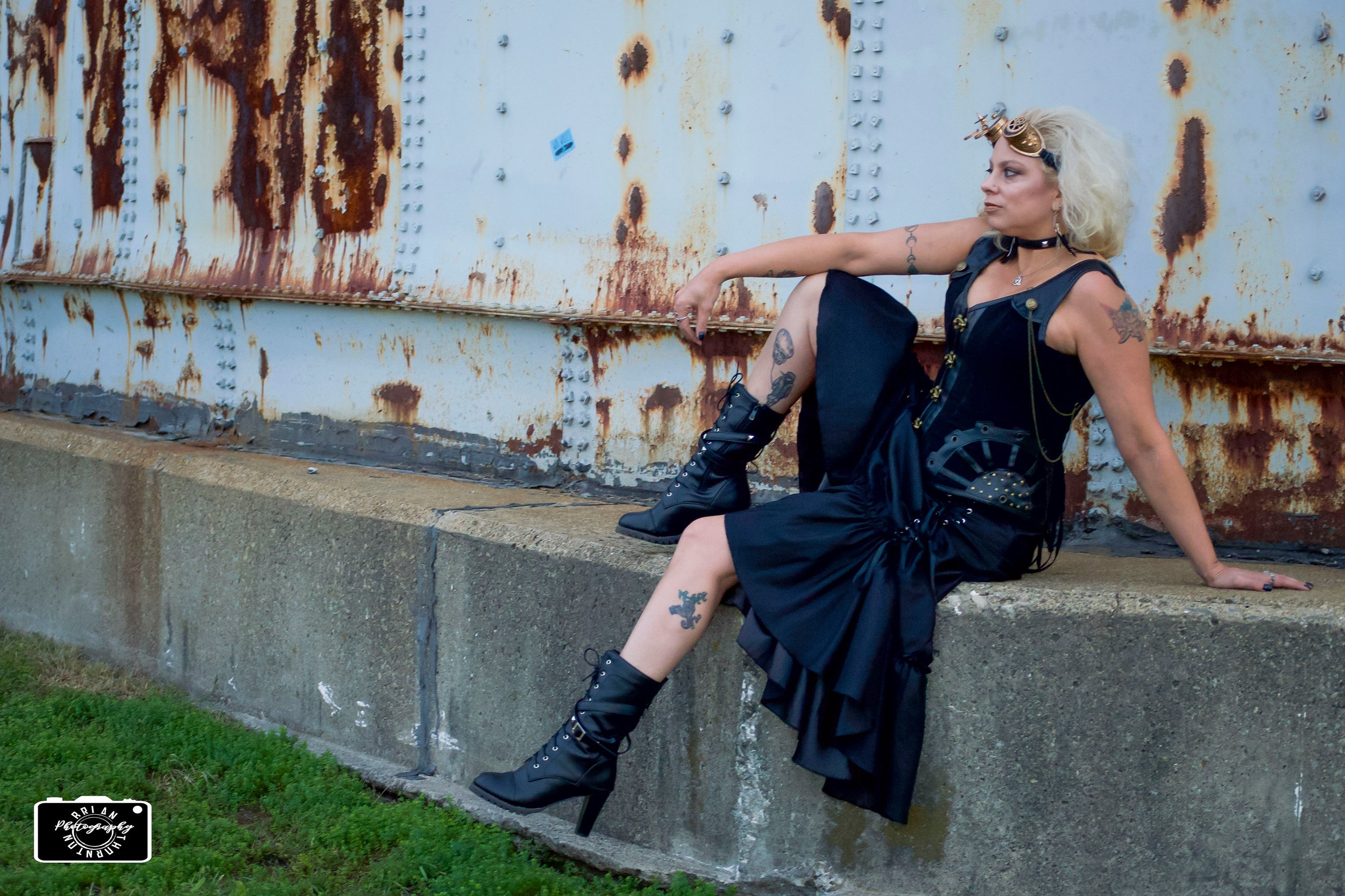
🖤 Corsetry on the Runway
From Underwear to Outerwear: The Modern Corset & the New Sculpted Silhouette
The Corset Never Really Left
Fashion has declared the corset obsolete more than once.
And yet, somehow, it keeps coming back.
Look around contemporary fashion and you'll find corset tops, bustiers, boned dresses, sculpted bodices, corset belts, visible bras, exaggerated hips, and architectural tailoring. Even the Fall 2026 couture collections returned to extreme corsetry and dramatic manipulation of the body.
This isn't simply another TikTok microtrend or a sudden wave of nostalgia. Designers remain fascinated with one of fashion's oldest tricks: using clothing to construct the human silhouette.
The difference is that the structure we once tried to hide underneath our clothes has increasingly become something we want everyone to see.
The Corset Comes Out From Underneath
Vivienne Westwood played an enormous role in changing the conversation.
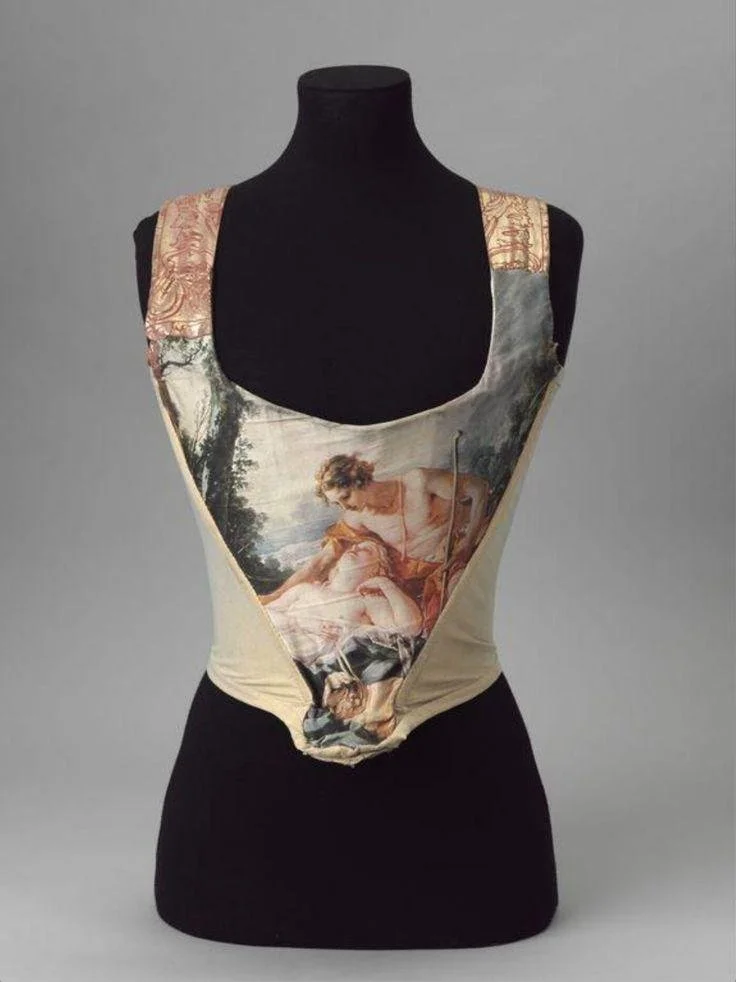
Historical dress was a constant source of inspiration in Westwood's work, and she began experimenting with corsetry as daywear during the 1970s. By the late 1980s, collections such as Harris Tweed and Time Machine transformed corsetry into sophisticated outerwear.
It represented a fascinating reversal.
For generations, corsets and foundation garments were supposed to quietly perform their work beneath the dress. Their job was to create the fashionable body while remaining invisible.
Westwood made the construction visible.
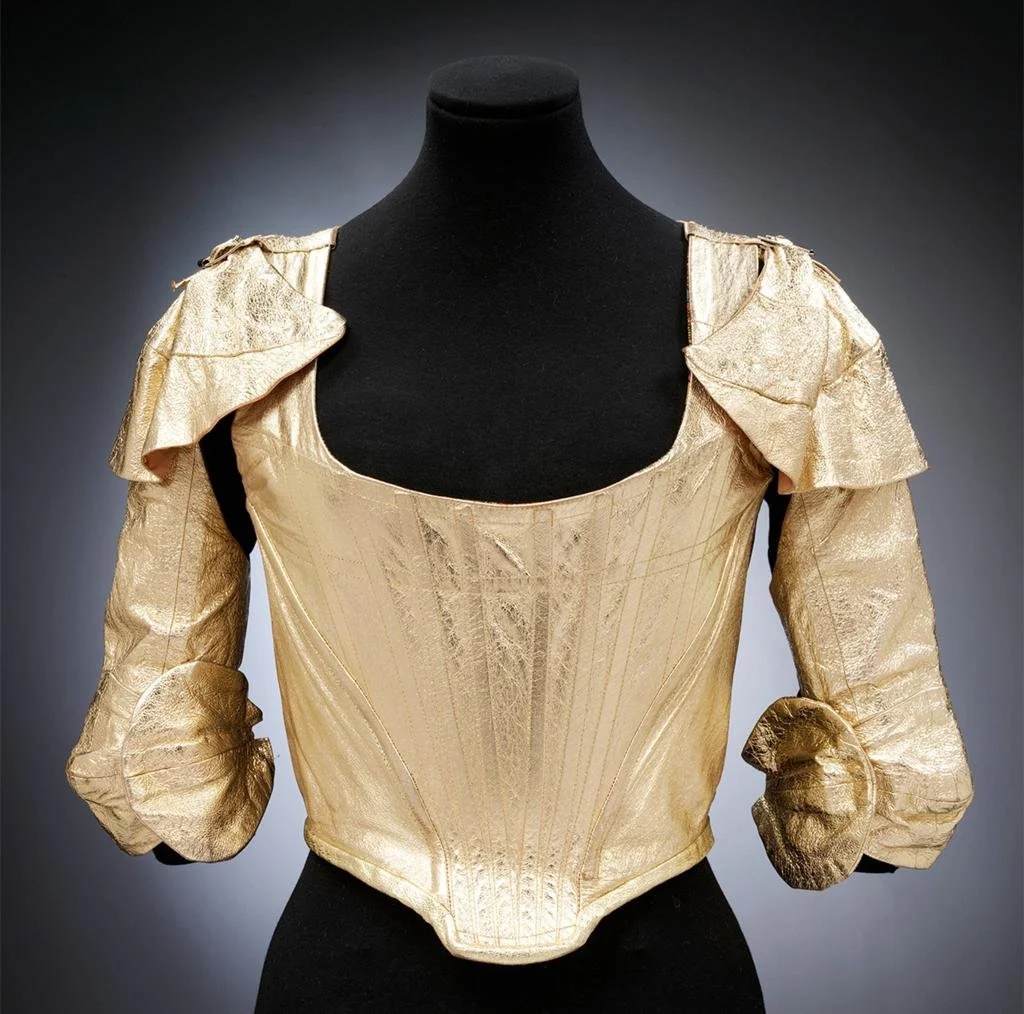
The garment that was supposed to disappear underneath the clothing became the clothing.
And once the corset came out from underneath, designers could begin playing with what it represented.
Gaultier Makes Underwear Confrontational
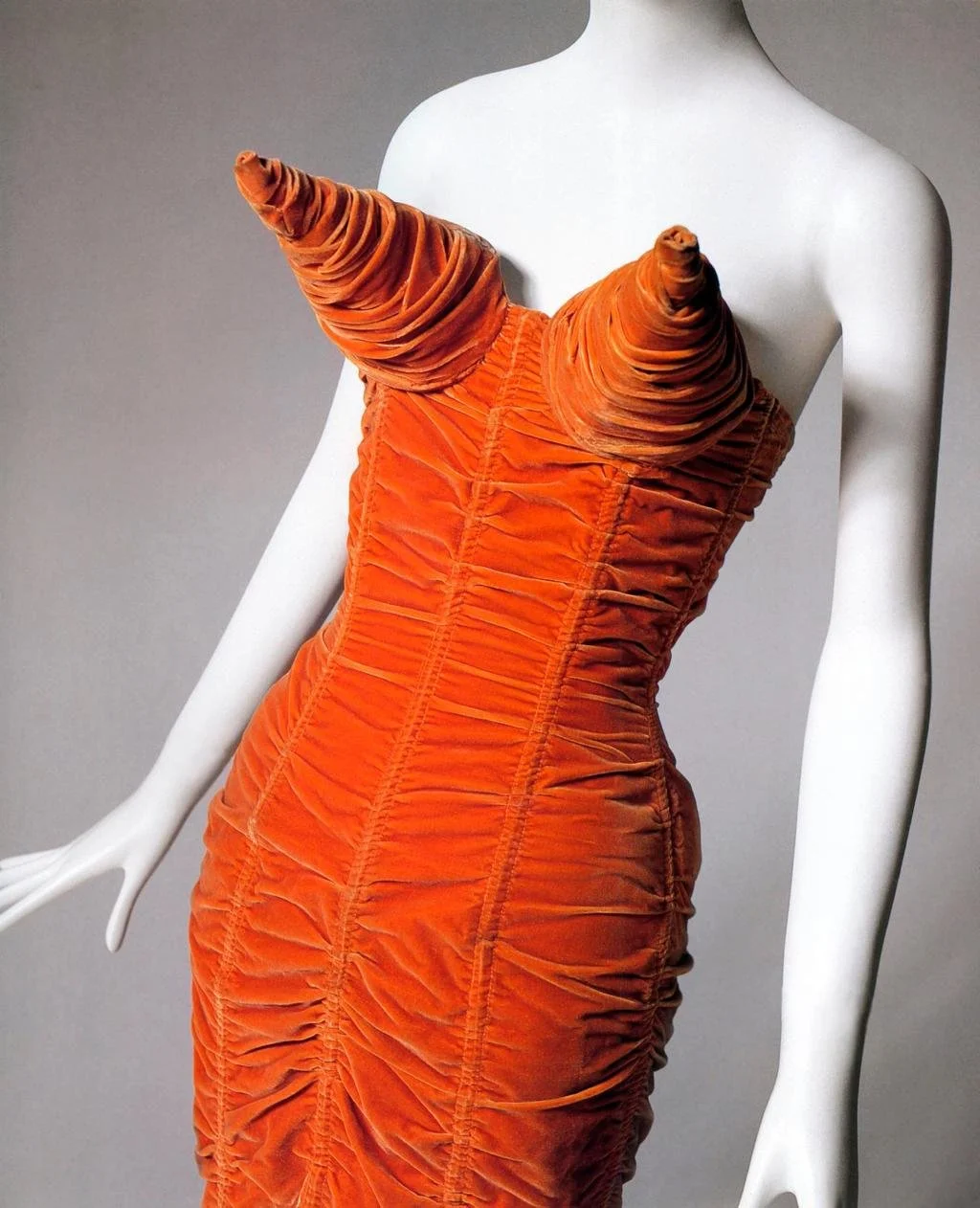
Then came Jean Paul Gaultier.
His famous cone-bra corset dress appeared in his Fall/Winter 1984–85 Barbès collection, exaggerating the pointed-bra silhouette associated with 1950s fashion.
Then Madonna made the look impossible to ignore.
When she wore Gaultier's now-iconic corsetry during her 1990 Blond Ambition tour, underwear-as-outerwear became part of pop-culture history.
The evolution is fascinating:
1950s: Underwear creates the ideal silhouette but should remain invisible.
1980s and '90s: Underwear becomes visible, provocative, and rebellious.
Today: Corsetry can simply be another language designers use to create shape.
The corset hasn't necessarily changed as much as our relationship with it has.
When Corsetry Becomes Architecture
Modern corsetry doesn't always look like a traditional lace-up corset.
Designers borrow its vocabulary instead: boning, paneled construction, molded cups, lacing, bustiers, waist shaping, structured bodices, exaggerated hips, cutouts, sheer corsetry, and sculpted bodysuits.
Sometimes the influence is obvious. Other times, you have to look at how the garment is constructed to see it.
The goal isn't necessarily the classic:
BIG BUST → TINY WAIST → BIG HIPS
Instead, the body becomes something designers can build around.
Fabric creates volume. Boning creates lines. Tailoring changes proportion. Structure can exaggerate a shoulder, narrow a waist, enlarge a hip, flatten one area, or emphasize another.
Corsetry becomes less about achieving one particular figure and more about sculpting shape.
There Is No Single Modern Silhouette
Perhaps that's the biggest difference between the pinup silhouettes of the past and fashion today.
Modern fashion allows seemingly contradictory shapes to exist at the same time.
Oversized and bodycon. Column and hourglass. Drop-waisted and high-waisted. Corseted and androgynous. Sheer and heavily structured. Body-revealing and completely enveloping.
We aren't living under quite the same expectation that one fashionable silhouette should define every woman's body.
But fashion hasn't stopped manipulating our proportions.
We've simply multiplied the possibilities.
And maybe that's why corsetry fits so comfortably into modern fashion. Its greatest trick was never really making a waist smaller.
It was creating an illusion with shape.
Why Does Fashion Keep Returning to the Corset?
There is no escaping the corset's complicated history.
It can represent restriction, conformity, beauty standards, and generations of women expected to mold their bodies into the fashionable shape of their time.
But what happens when wearing one becomes a choice?
Put a corset on a modern runway—or over a T-shirt, beneath a blazer, paired with jeans, worn by someone regardless of gender—and its meaning can shift dramatically.
It can communicate sexuality.
Power.
Armor.
Femininity.
Gender play.
Performance.
Rebellion.
Nostalgia.
Self-expression.
That's what makes the modern corset so interesting. A garment once associated with creating the body society expected can now be used to create the body—or simply the look—the wearer chooses.
A garment can mean something very different when you choose it than when society chooses it for you.
Maybe that's why we haven't been able to leave the corset in fashion history.
We don't need it anymore.
And perhaps that's precisely why we've finally been able to have some fun with it.
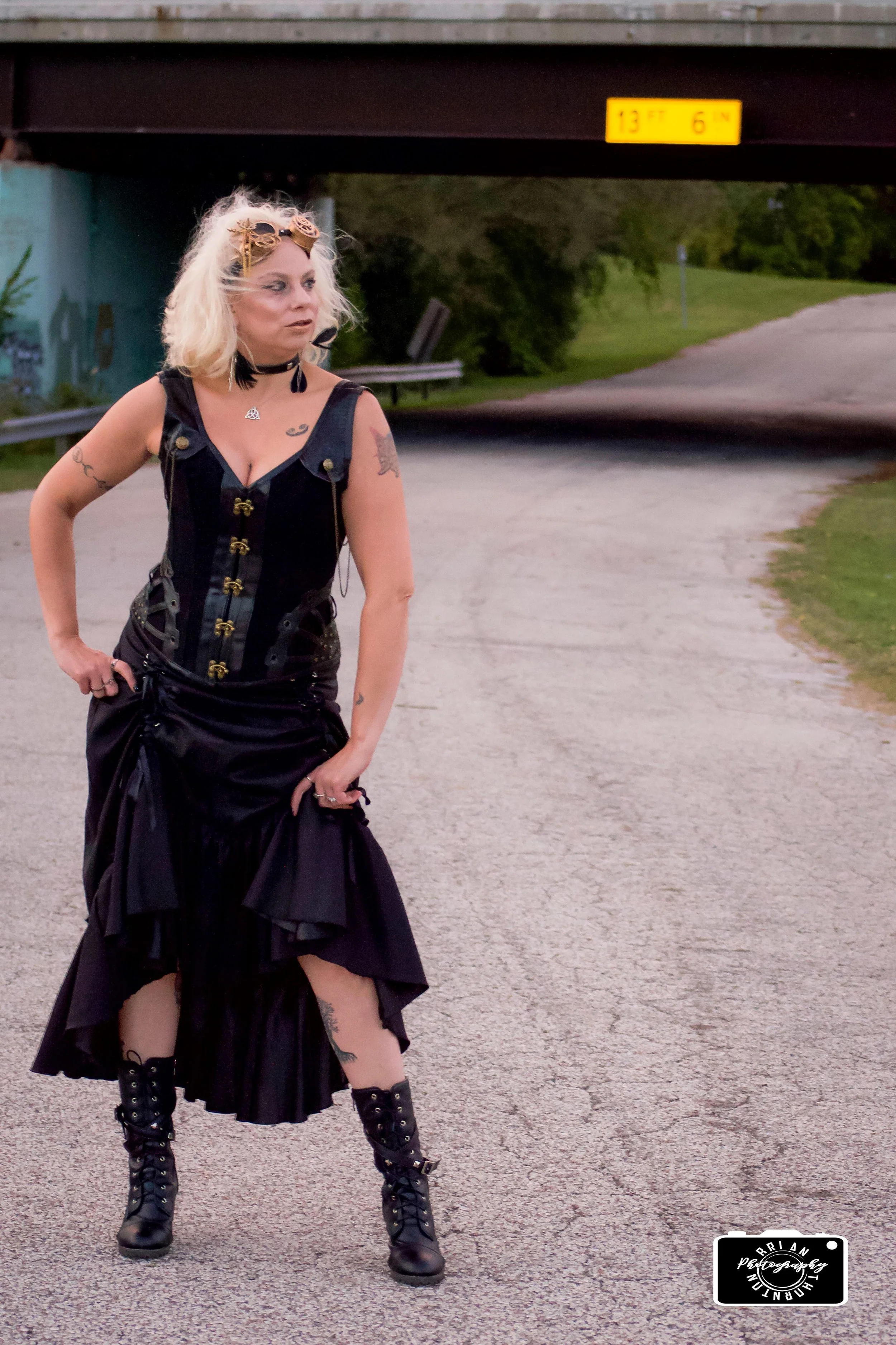
💋 One More Thought
Corsetry doesn't have to mean squeezing yourself into someone else's ideal. Try a corset top over a button-down, beneath a blazer, or with your favorite jeans. Let structure become part of your personal style—not a rule for your body.
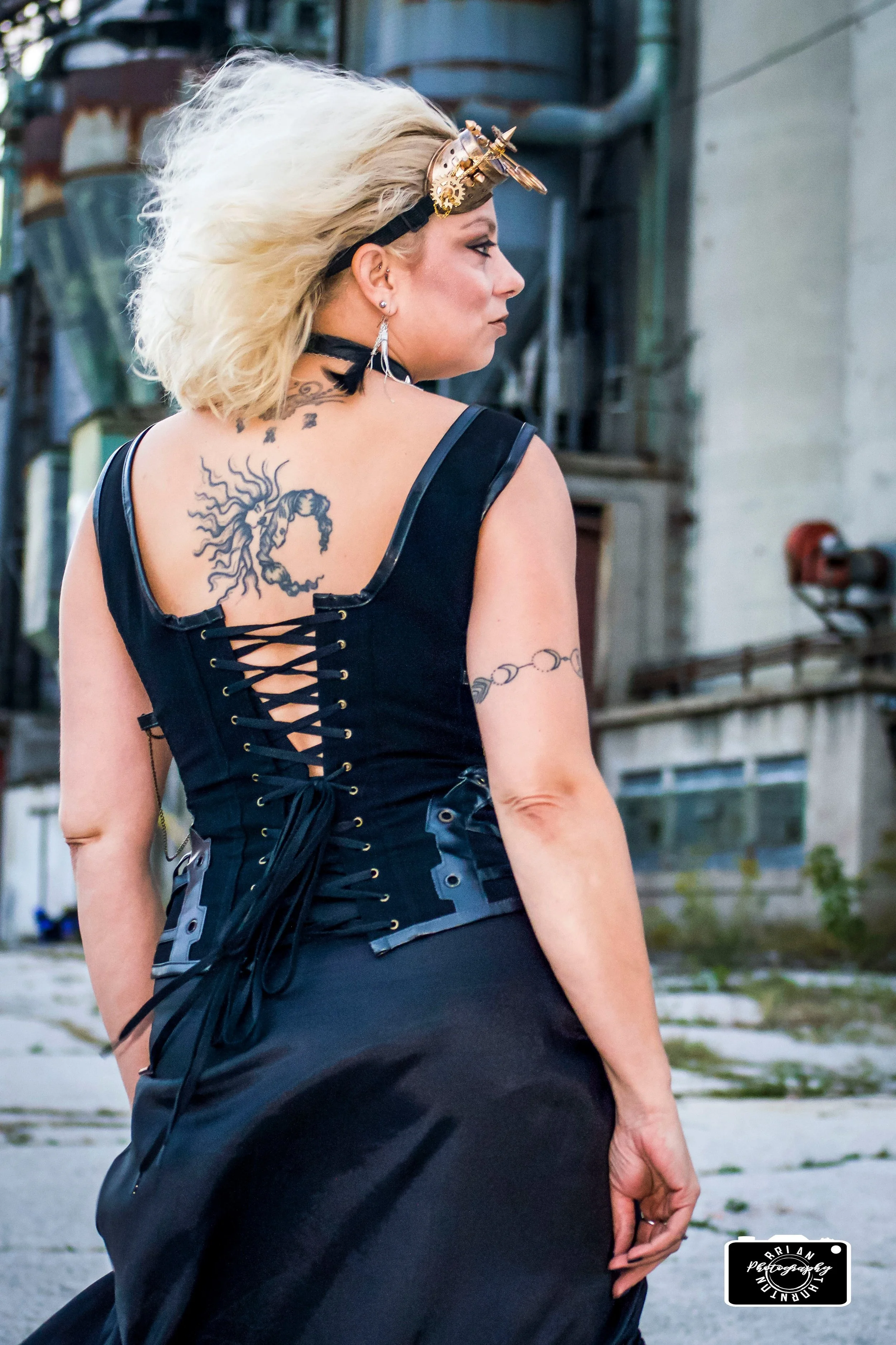
Photo Credits:
V&A — Vivienne Westwood: A Taste for the Past
Vogue — Can Corsets Ever Be Modern?
Brian Thornton